Rose Floral Wreath: A Designer’s Real-World Review
First Impressions: Elegant, Abstract, and Quietly Confident
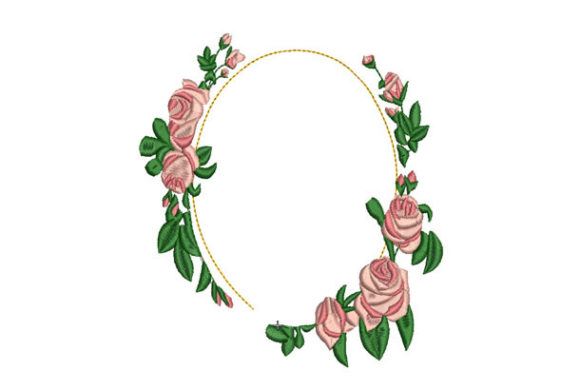
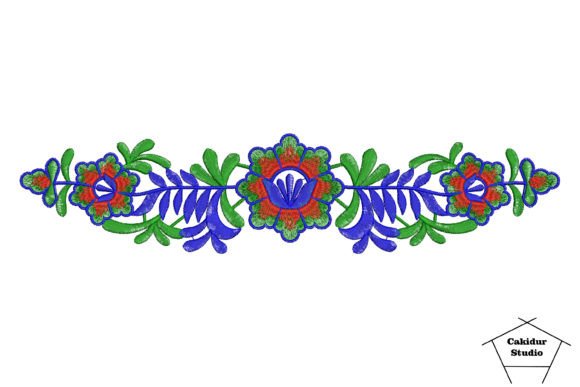
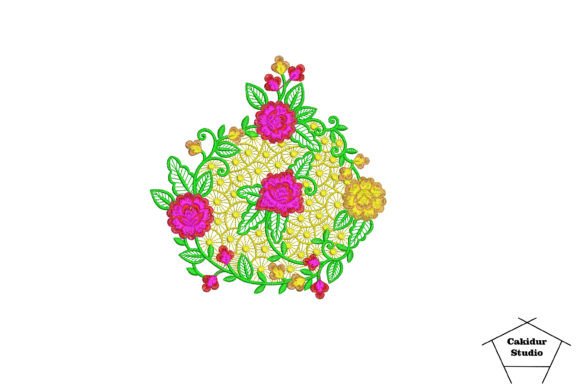
When I opened the Rose Floral Wreath embroidery file, I didn’t see a cliché bouquet or stiff symmetrical circle—I saw breathing space. It’s an abstract floral motif with soft, layered curves and intentional negative space. The shape feels organic, not rigid—more like a wreath you’d tuck behind your ear than one you’d pin to a diploma. That looseness is its strength: it avoids looking dated or overly precious. For a machine embroidery design meant to elevate handmade products—not dominate them—it lands just right.
A Real Project Test: Custom Embroidered Tote Bags for a Local Boutique
Last month, I used Rose Floral Wreath on a batch of linen-cotton tote bags for a small shop launching a spring collection. We placed it centered on the lower third of each bag—about 4.5 inches wide—and stitched in muted sage, terracotta, and cream thread. The result? Customers kept picking up the bags, turning them over, tracing the outline with their fingers. Not because it screamed “look at me,” but because it felt *considered*. That’s the quiet power of this design: it adds sophistication without shouting. It reads as handmade, intentional, and quietly luxurious—even at a modest price point.
Where It Shines (and Where It Asks for Thought)
Rose Floral Wreath works beautifully on stable, medium-weight fabrics: cotton twill aprons, brushed cotton pillow covers, midweight sweatshirts, and kitchen towels. Its open layout handles fabric texture well—no dense fill stitch jungles that flatten on nubby weaves. On baby onesies? Yes—but only if hooped carefully and stabilized with lightweight cutaway. The curves soften nicely on curved surfaces like caps, though I’d avoid placing it too close to the bill seam where distortion creeps in.
It’s also a strong choice for personalized gifts: monogrammed tea towels, wedding guest towels, or nursery decor where subtlety matters more than sparkle. As a digital embroidery file, it scales cleanly—no jagged edges when resized between 3” and 6”. And because it’s abstract rather than literal, it avoids seasonal lock-in. You can use it year-round, not just for Valentine’s or Mother’s Day.
Careful Use Zones
- Small hoop sizes: Below 3.5”, fine details—especially inner petal outlines—start to blur. Test first on scrap.
- Thin or stretchy fabric: Avoid on lightweight rayon or jersey unless paired with firm tear-away + topping. The design’s gentle flow relies on stability.
- Dark fabric backgrounds: Works, but check contrast. Some satin stitch sections lose definition if thread color is too close in value. A quick black-and-white mockup saves time.
- Dense stitch areas: While not overly dense, the center cluster has layered fill and satin elements. On tightly woven fabrics, confirm stabilizer doesn’t show through.
- Curved or uneven surfaces: Caps and curved pillow inserts are doable—but always test placement with a basting stitch first. The wreath’s asymmetry means even slight shifts affect balance.
How It Elevates Your Finished Product
For Etsy sellers and craft business owners, Rose Floral Wreath quietly lifts perceived value. It doesn’t read as “clip art” or “free download.” That abstraction signals design intention—something buyers associate with care, craftsmanship, and brand consistency. I’ve watched customers linger longer on listings featuring this motif versus busier, more literal floral designs. Why? Because it invites pause—not overwhelm.
It also supports trust. When a customer sees clean, balanced stitching on a sweatshirt or apron, they assume better construction overall. That extends to gifting: a holiday embroidered patch or baby blanket with Rose Floral Wreath feels personal, not mass-produced—even if stitched on a home machine. For commercial embroidery shops, it’s a reliable anchor design: easy to pair with simple text, adaptable across product types, and rarely rejected by clients for being “too much.”
Practical Designer Notes Before You Stitch
- Always test the Rose Floral Wreath embroidery file on scrap fabric matching your final product—especially for tension, stitch clarity, and stabilizer behavior.
- Review thread colors against both light and dark backgrounds. Abstract florals rely on tonal harmony, not just hue.
- Check stitch density visually—not just numerically. Look for smooth transitions between satin and fill areas.
- Confirm hoop size compatibility before prepping your project. This isn’t a tiny motif, nor is it oversized—know where it sits in your workflow.
- Inspect small details at 200% zoom: inner leaf veins, petal overlaps, and edge finishes. Clarity here defines professionalism.
- Run a black-and-white printable mockup. If it holds visual interest without color, you’re golden.
- Use appropriate stabilizer: medium-weight cutaway for knits, tear-away for stable wovens, and light topping for textured fabrics.
- Verify licensing terms before selling finished items or bundling the design into digital product kits. Not all embroidery files permit commercial resale.
Final Thought: A Design That Serves the Maker First
Rose Floral Wreath doesn’t ask you to work around it. It’s not fussy, pixelated, or over-engineered. It’s a floral wreath that breathes—designed for real cloth, real machines, real deadlines, and real people who choose handmade things because they feel human. Whether you’re stitching a single personalized gift or scaling for a boutique line, it delivers calm confidence—not clutter. That’s rare. And that’s why it’s earned a permanent spot in my go-to embroidery project folder.