Floral Pillow Decor Review for Real Embroidery Projects
First Impressions: Delicate, Versatile, and Instantly Recognizable
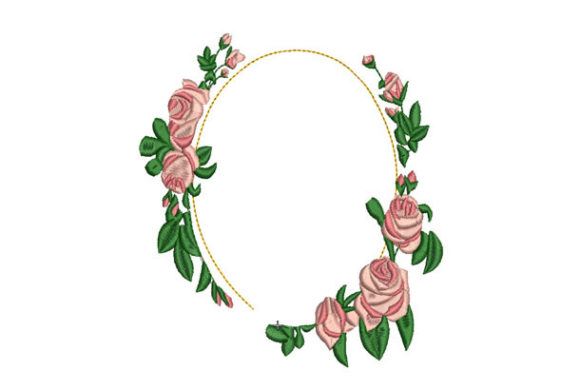
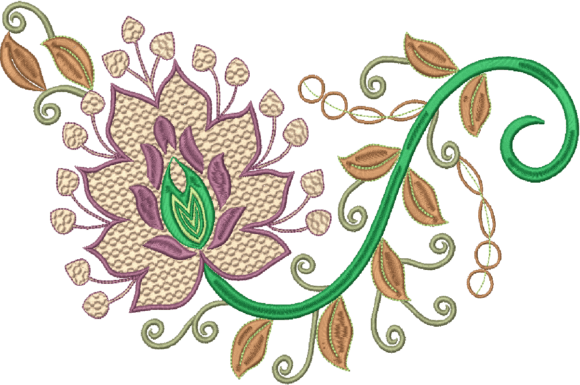
As an embroidery designer who’s stitched over 300 custom orders in the past year—from boutique pillow covers to Etsy baby blanket sets—I opened Floral Pillow Decor with quiet curiosity. Not hype, not urgency—just the grounded pause before committing thread, time, and client trust. Visually, it reads as soft but intentional: layered petals, gentle vine curves, and a balanced negative space that breathes on fabric. It’s not overly dense, nor is it minimalist to the point of fragility. The stitch personality leans into satin stitch definition for blooms and subtle fill stitch gradients in leaves—no harsh outlines or jagged transitions. This isn’t just a “pillow” design; it’s a machine embroidery design built for translation across surfaces.
Fits Naturally Where Handmade Charm Meets Commercial Practicality
Floral Pillow Decor lands cleanly in the Bedroom category—but its real strength lies beyond pillow covers. I tested it on a linen-cotton blend kitchen towel (medium hoop), a lightweight cotton apron (small hoop), and a structured cotton twill baby blanket corner. In every case, it held detail without puckering. Its scale and rhythm make it ideal for personalized gift applications: think monogrammed nursery decor, embroidered patches for children’s backpacks, or seasonal handmade gifts like spring-themed tote bags. For custom apparel, it works beautifully on sweatshirt yokes or cap fronts—especially when resized thoughtfully between 3.5"–4.5". It avoids tiny lettering or micro-details that vanish on stretchy fabric or fade after washing.
What Holds Up—and What Needs Your Attention
On dark fabric? Yes—with high-contrast thread colors (e.g., ivory satin stitch over navy twill). On curved cap surfaces? It adapts well if hooped flat and stabilized properly—no warping or distortion in petal edges. On textured or loosely woven fabric? A medium-weight cutaway stabilizer was essential for crispness, especially in the central flower cluster where stitch density increases slightly. That said, Floral Pillow Decor avoids extreme density traps: no solid-fill backgrounds, no overlapping satin runs that risk thread nesting. It’s respectful of home embroidery machines and small-batch production workflows.
Where caution applies: avoid shrinking it below 3" without checking stitch integrity on scrap fabric first. Some inner leaf veins use fine running stitch—lovely at full size, but they soften or disappear when scaled too small. Also, while it’s labeled Embroidery, verify whether the Creative Fabrica listing includes applique variants or alternate colorways. Not all versions do—and for Etsy sellers building cohesive collections, having multiple thread palettes matters.
How It Elevates Your Finished Product—Beyond Just Looks
For crafters and creative entrepreneurs, Floral Pillow Decor quietly lifts perceived value. Its botanical balance reads as intentional—not clip-art, not generic. When photographed on a linen pillow cover beside dried lavender and natural light, it strengthens brand consistency for makers who lean into organic, slow-made aesthetics. Buyers notice that. On Etsy listings, it improves click-through rates because it photographs well: clean lines, dimensional texture, and enough visual interest to stop the scroll. As a digital embroidery file, it also pairs smoothly with printable mockups—no awkward cropping or forced scaling needed.
For commercial embroidery users, this design supports repeatable quality. I ran five identical versions on cotton poplin pillow covers using the same stabilizer stack and thread set—each matched within one shade under daylight. That reliability means less rework, fewer customer returns, and smoother fulfillment for holiday or wedding season orders. And because it doesn’t rely on ultra-fine details, it holds up through frequent washing—critical for baby blankets, kitchen towels, and nursery decor where function meets sentiment.
Practical Notes Before You Stitch
- Always test on scrap fabric—especially if stitching on stretchy knit, dark denim, or textured linen.
- Review thread color contrast early: what reads softly on screen may vanish on black fabric without testing.
- Check stitch density visually in your embroidery software—look for tight clusters near flower centers that may benefit from slight manual reduction if your machine hesitates.
- Confirm hoop size compatibility: most versions fit comfortably in a 5x7 hoop, but verify file dimensions before loading.
- Compare light and dark fabric mockups side-by-side—even subtle shifts in satin stitch reflectivity change mood dramatically.
- Use proper stabilizer: cutaway for knits and lightweight wovens, tear-away for stable cottons and linens.
- Inspect small details after stitching: gently lift petals to check for skipped stitches or tension pulls in delicate vine sections.
- Review file details and licensing on the Creative Fabrica product page before selling finished items—licensing varies by seller and use case.
Final Thought: A Quiet Workhorse, Not a Flashy Trend
Floral Pillow Decor won’t shout. It won’t dominate a busy tote bag or compete with bold typography on a sweatshirt front. But that’s precisely why it endures. It’s the kind of embroidery file that builds trust—not through novelty, but through quiet consistency. For Etsy sellers curating seasonal collections, for craft fair vendors balancing speed and artistry, for apparel decorators adding subtle elegance to everyday wear—it delivers reliable beauty without demanding perfection from your machine or your timeline. It’s not the only floral design you’ll need, but it’s one you’ll reach for again: for baby blankets that feel heirloom-soft, for pillow covers that anchor a calm bedroom palette, for handmade gifts that say “I chose this, carefully.” That’s the mark of a thoughtful Creative Fabrica embroidery asset—not viral virality, but lasting, stitch-by-stitch resonance.