Creeping Stems: A Thoughtful Border for Boutique Apparel
First Impressions: Delicate, Organic, and Quietly Confident
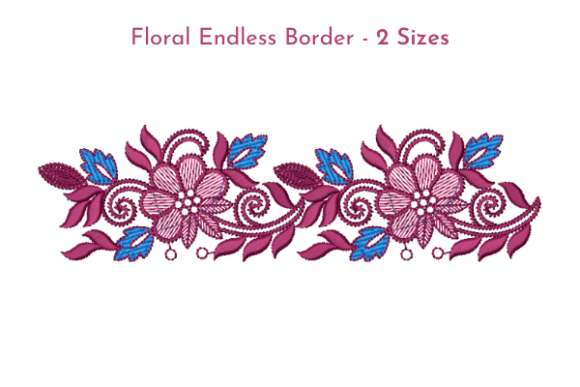
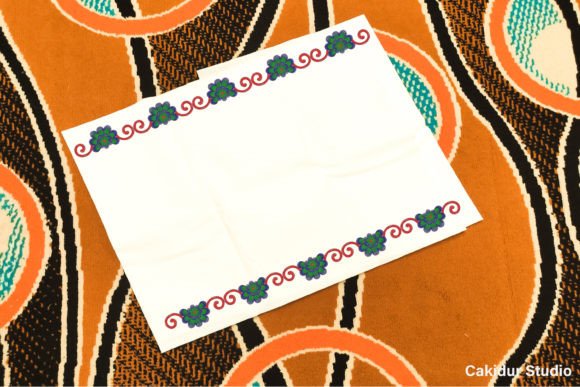
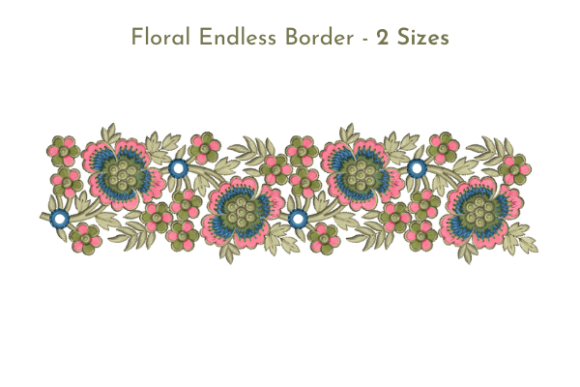
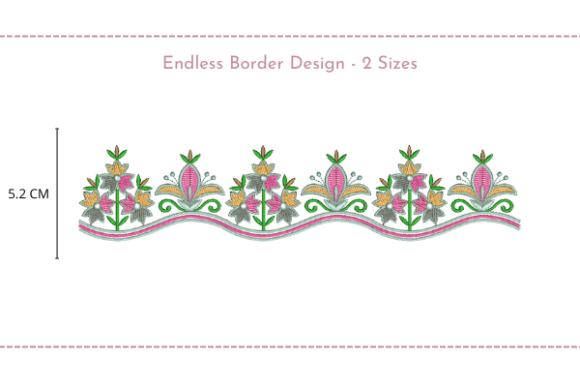
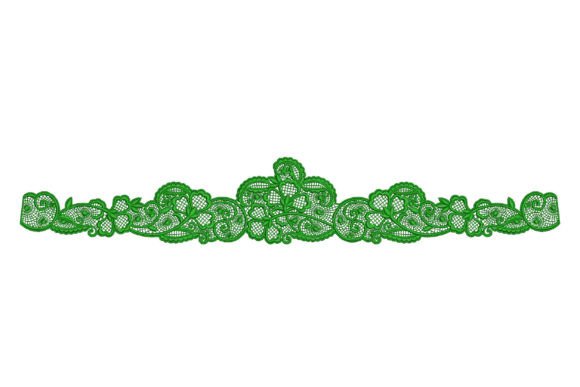
As an embroidery designer who’s stitched hundreds of borders for small-batch apparel, Creeping Stems landed with a soft but unmistakable presence. It’s not loud or trend-chasing — it’s a natural, botanical border with gentle curves, subtle layering, and intentional negative space. The visual personality leans feminine without being fussy, rustic without feeling unfinished, and classic without fading into background. This isn’t a filler design; it carries decorative strength through rhythm and balance, not density. For boutique brands building a cohesive seasonal collection, Creeping Stems feels like a quiet signature — the kind of detail that makes customers pause mid-scroll on Etsy or Instagram.
Sweatshirt & Hoodie Applications: Where Simplicity Meets Impact
On neutral sweatshirts — think oatmeal, heather grey, or soft black — Creeping Stems reads as elevated minimalism. Placed at the chest (just below the collarbone), it adds refined texture without overwhelming the garment’s relaxed silhouette. For pastel hoodies, the floral motif enhances the gentle mood without competing — especially when paired with muted thread colors like sage, dusty rose, or warm taupe. On dark apparel, I recommend slightly higher-contrast threads (charcoal grey instead of black, deep navy instead of black) to preserve definition in the stems’ fine lines.
For sleeve accents, Creeping Stems works beautifully along the outer seam of oversized hoodies — long enough to follow the curve but not so dense it pulls the fabric. As a back design? Trim it thoughtfully: use one continuous repeat across the upper back (centered or off-center) for a modern, editorial feel. Avoid wrapping fully around curved surfaces like biceps or shoulders unless you’ve tested stitch behavior on stretchy fleece — some stems may distort if hooped too tightly.
Beyond Sweatshirts: Versatility That Scales With Your Shop
- T-shirts: Best on structured cotton or poly-cotton blends — avoid ultra-thin jersey unless stabilized heavily. Use lightweight cutaway stabilizer to prevent puckering in the stem’s delicate loops.
- Denim jackets: A standout placement is along the bottom hem or cuff edge. The organic flow contrasts nicely with denim’s rigidity, adding handmade charm to a utilitarian piece.
- Tote bags & lifestyle merch: Here, Creeping Stems shines as a quiet brand marker — placed near the side seam or base corner. It reads cleanly in lifestyle product photos and printable mockups, supporting visual consistency across your shop’s social media graphics.
- Seasonal layers: On cozy cardigans or woven lounge sets, it whispers intentionality — reinforcing a “slow style” brand identity that resonates with mindful shoppers.
What Makes Creeping Stems Work for Commercial Embroidery
This isn’t just pretty decoration — it’s a strategic tool for small shop owners. When used consistently across a collection (e.g., same thread palette, same chest placement), Creeping Stems becomes part of your boutique brand’s visual language. Customers begin to recognize it — not as a logo, but as a textural signature. That builds buyer trust: it signals attention to detail, craftsmanship, and cohesion. In crowded marketplaces like Etsy, that quiet consistency helps your listings stand out in search results and feed algorithms alike. And because it’s a machine embroidery design built for repeat use, it scales cleanly from one custom apparel order to a batch of 50 without losing integrity.
Design Notes Every Embroidery Professional Should Consider
Before stitching Creeping Stems on your next drop, take these practical steps:
- Test on scrap fabric that matches your final garment — especially important for ribbed fabric or fleece, where stitch density can cause distortion.
- Review stabilizer choice: Lightweight cutaway works best for stable knits; tear-away + topping helps with fuzzy or stretchy surfaces.
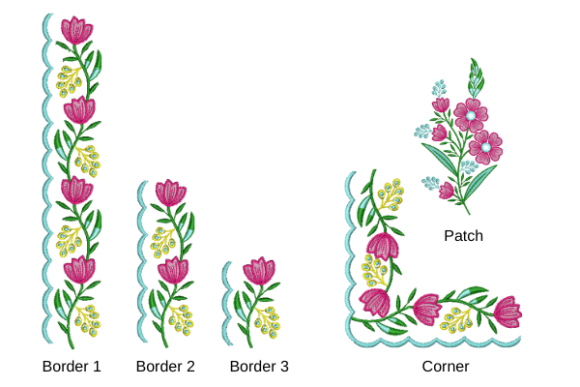
- Confirm hoop size and placement options — borders like Creeping Stems often come in multiple lengths or repeats. Choose the version that fits your intended area without awkward truncation.
- Inspect stitch density in the file preview — look for tight clusters around leaf junctions. If present, reduce top tension slightly or adjust underlay on dense sections.
- Compare thread color contrast on both light and dark garments. Some floral tones lose legibility on black; test with matte polyester thread for richer depth.
- Always check Creative Fabrica product details — verify licensing terms before selling finished apparel, and confirm compatibility with your embroidery software and machine format needs.
Final Thoughts: A Border That Supports, Not Dominates
Creeping Stems doesn’t shout. It settles in — gracefully, thoughtfully — enhancing what’s already there. For apparel decorators building a recognizable boutique brand, it’s a rare find: a Creative Fabrica embroidery asset that supports storytelling rather than interrupting it. Whether you’re an Etsy seller launching your first hoodie line, a small embroidery shop curating seasonal collections, or a creative entrepreneur developing signature merchandise, this borders design earns its place by lifting the entire finished product — not just the stitch count. It reminds us that sometimes, the most powerful embroidery isn’t the boldest. It’s the one that feels like it belongs.