Creative Flower Patch: A Designer’s Real-World Review
First Impressions: Cozy, Artistic — But Not Overly Fussy
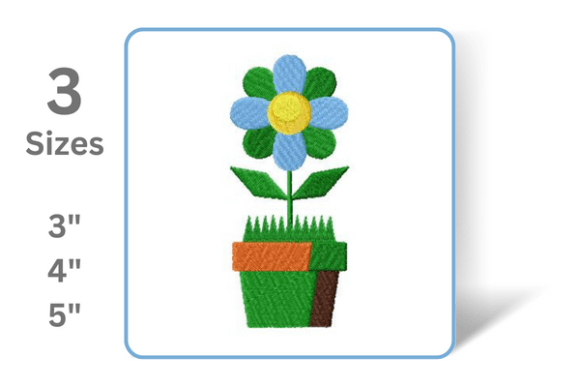
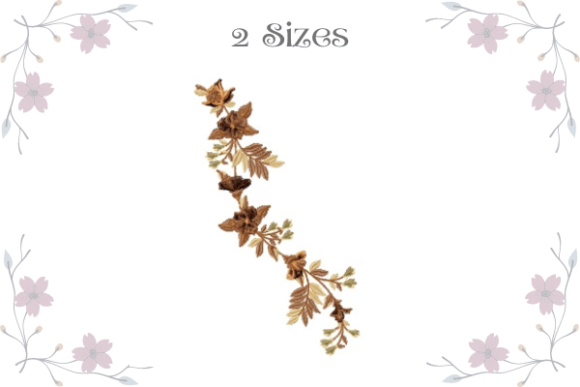
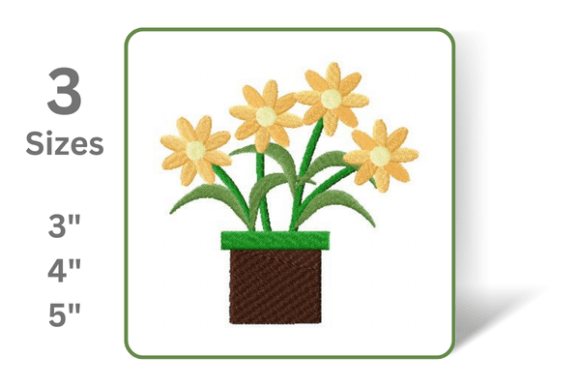
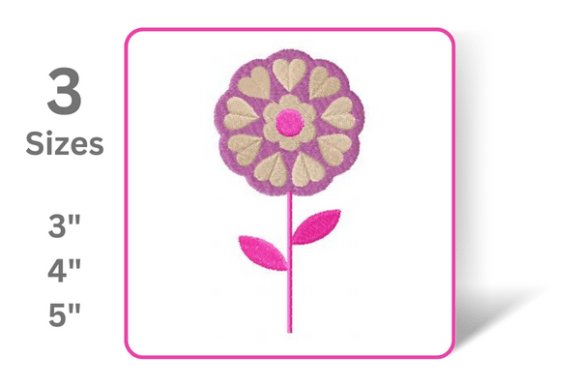
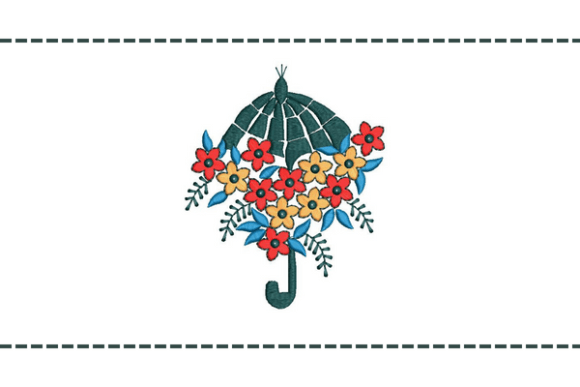
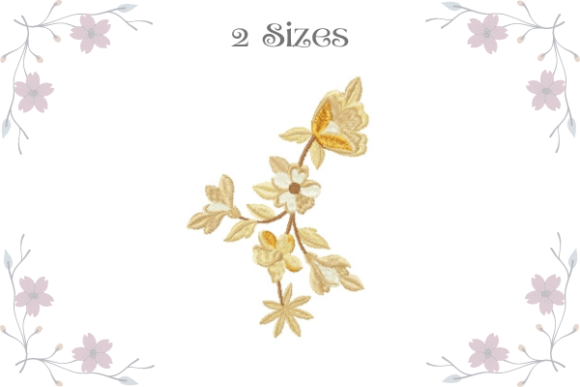
When I opened the Creative Flower Patch embroidery file, what struck me wasn’t technical perfection—it was mood. It feels hand-drawn, softly layered, and intentionally imperfect—like a sketchbook doodle translated into thread. The floral motif isn’t botanical or hyper-realistic; it’s stylized, with gentle curves, open negative space, and a sense of breath between petals. That’s rare in machine embroidery designs, where density often wins over charm. This one leans into its “cozy and artistic” promise without tipping into clutter. It reads as warm, approachable, and quietly confident—not loud enough for streetwear, but memorable enough for a boutique pillow cover or a personalized baby onesie.
A Tote Bag Test: Where Personality Meets Practicality
Last week, I stitched Creative Flower Patch onto a natural linen-cotton tote for a local maker friend launching her herbal tea line. We chose a mid-sized hoop (5x7") and used medium-weight cutaway stabilizer beneath lightweight fabric. The result? Clean satin-stitched petals, subtle fill-stitch centers, and just enough running-stitch detail in the stem to suggest movement—not rigidity. Customers paused at the booth not because it screamed “embroidery,” but because it felt *intentional*. That’s the quiet strength of this design: it elevates a simple item without overwhelming it. It works especially well when the finished product is meant to feel handmade, not mass-produced.
Where It Shines (and Where It Asks for Care)
Creative Flower Patch excels in soft, lifestyle-oriented contexts:
- Custom apparel: Looks grounded—not cutesy—on relaxed-fit sweatshirts and organic cotton tees. Avoid high-contrast thread on dark fabrics unless you’re aiming for bold graphic impact.
- Baby embroidery: Gentle scale and rounded shapes suit onesies and burp cloths beautifully. Just confirm stitch density isn’t too heavy for delicate weaves.
- Patches & aprons: Holds up well as an embroidered patch (heat-seal or sew-on), especially when backed with twill or denim. On kitchen aprons, it adds craft warmth without looking dated.
- Holiday & wedding gifts: Works subtly on linen napkins, tea towels, or guestbook covers—no glitter, no cliché florals, just sincerity stitched in thread.
- Etsy listings & small shop products: Photographs cleanly in natural light. Its visual clarity translates well in printable mockups, helping buyers imagine it on their own items.
But here’s where attention matters:
- Thin or stretchy fabric? Requires proper stabilizer—especially under satin-stitched petals, which can pucker or distort without support.
- Curved surfaces (caps, hats)? Not ideal out of the box. The layout assumes a flat, stable surface. Re-hooping may be needed for clean results.
- Dark or textured backgrounds? Test thread colors first. Light pastel threads vanish on charcoal linen; deeper tones (muted sage, dusty rose) hold shape and intention better.
- Frequent washing? Confirm fill-stitch density isn’t so tight it compromises fabric drape or durability over time—especially on baby items or kitchen towels.
What It Adds to Your Finished Product—Beyond Aesthetics
This isn’t just decoration. Creative Flower Patch subtly shifts how people perceive your handmade product. On a pillow cover, it signals care—not just craftsmanship, but curation. On a custom sweatshirt, it suggests the wearer values subtlety over slogan-driven style. For Etsy sellers, that nuance builds trust: customers don’t just buy a flower; they buy the feeling of something thoughtfully made, not algorithmically generated. And for craft businesses building brand consistency, its cohesive visual personality makes repeat use across product lines feel intentional—not repetitive.
Designer Notes You’ll Actually Use
Before stitching Creative Flower Patch on your next project, do these five things:
- Test on scrap fabric—same weight, same weave, same stabilizer—as your final piece. Watch how satin stitches settle and whether stems stay crisp.
- Review thread color contrast in both natural and artificial light. What reads softly in daylight may disappear under store lighting.
- Check stitch density visually, not just numerically. Dense fill areas should feel rich, not stiff or plasticky.
- Confirm hoop size compatibility with your machine—and whether the design fits comfortably within it, leaving room for hooping margin.
- Inspect small details (like petal tips or leaf veins) at actual size. If they vanish in a black-and-white mockup, they’ll likely blur in real life.
Final Thought: A Design That Serves the Project—Not the Other Way Around
I’ve seen too many floral embroidery files that shout “look at me!” while sacrificing wearability, washability, or emotional resonance. Creative Flower Patch doesn’t do that. It’s a supporting actor—not the lead—but one that lifts every scene it’s in. Whether you’re prepping a holiday batch of embroidered tea towels, designing a capsule collection for your small shop, or creating a personalized gift for a friend’s baby shower, this machine embroidery design gives you flexibility without compromise. It respects fabric, honors stitch integrity, and leaves room for the human touch that makes handmade work matter. Just remember: even the best embroidery file needs your judgment. Trust your eye, test early, and let Creative Flower Patch do what it does best—add quiet artistry, one thoughtful stitch at a time.